Sukie with the teef Down dere
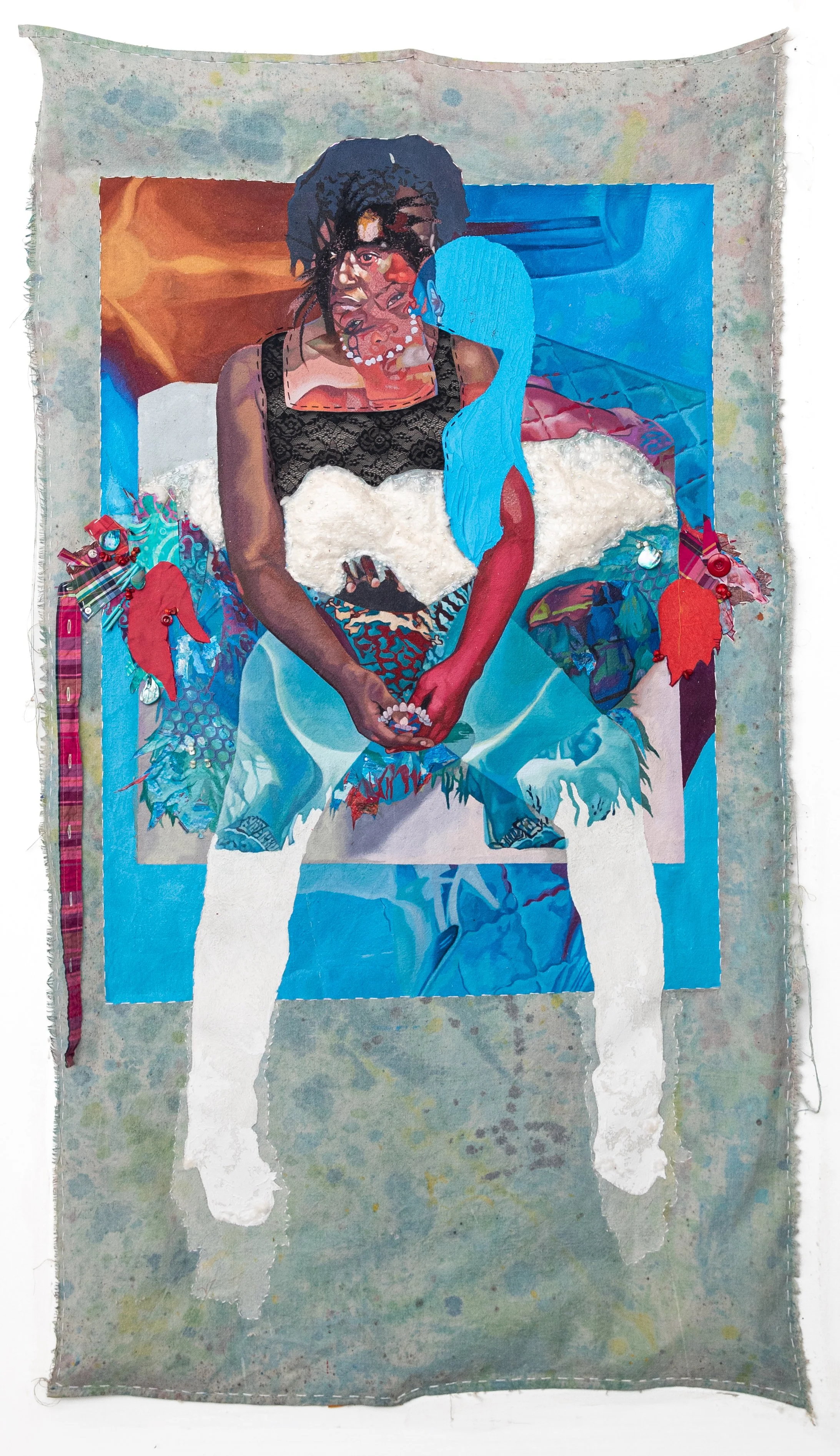
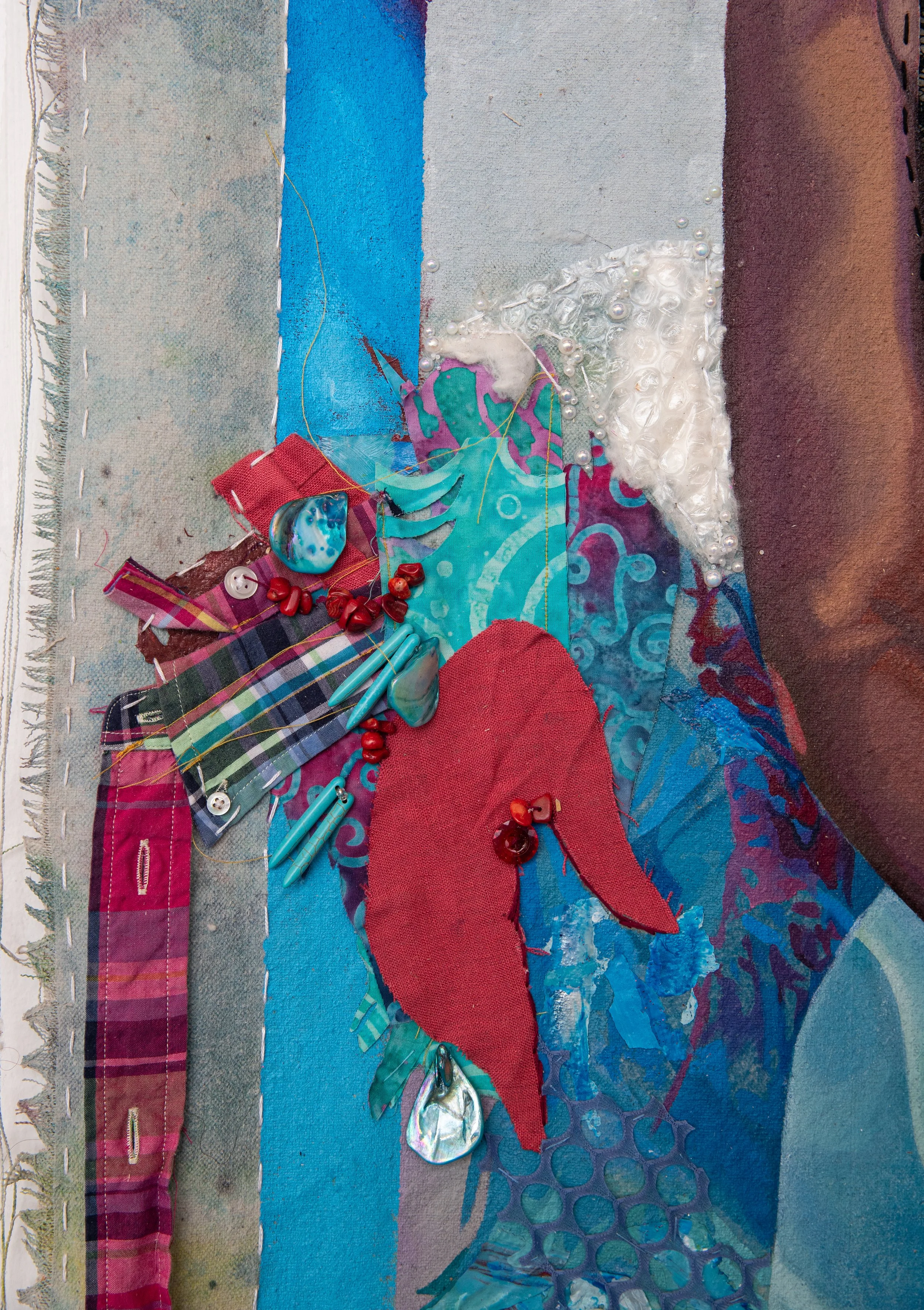
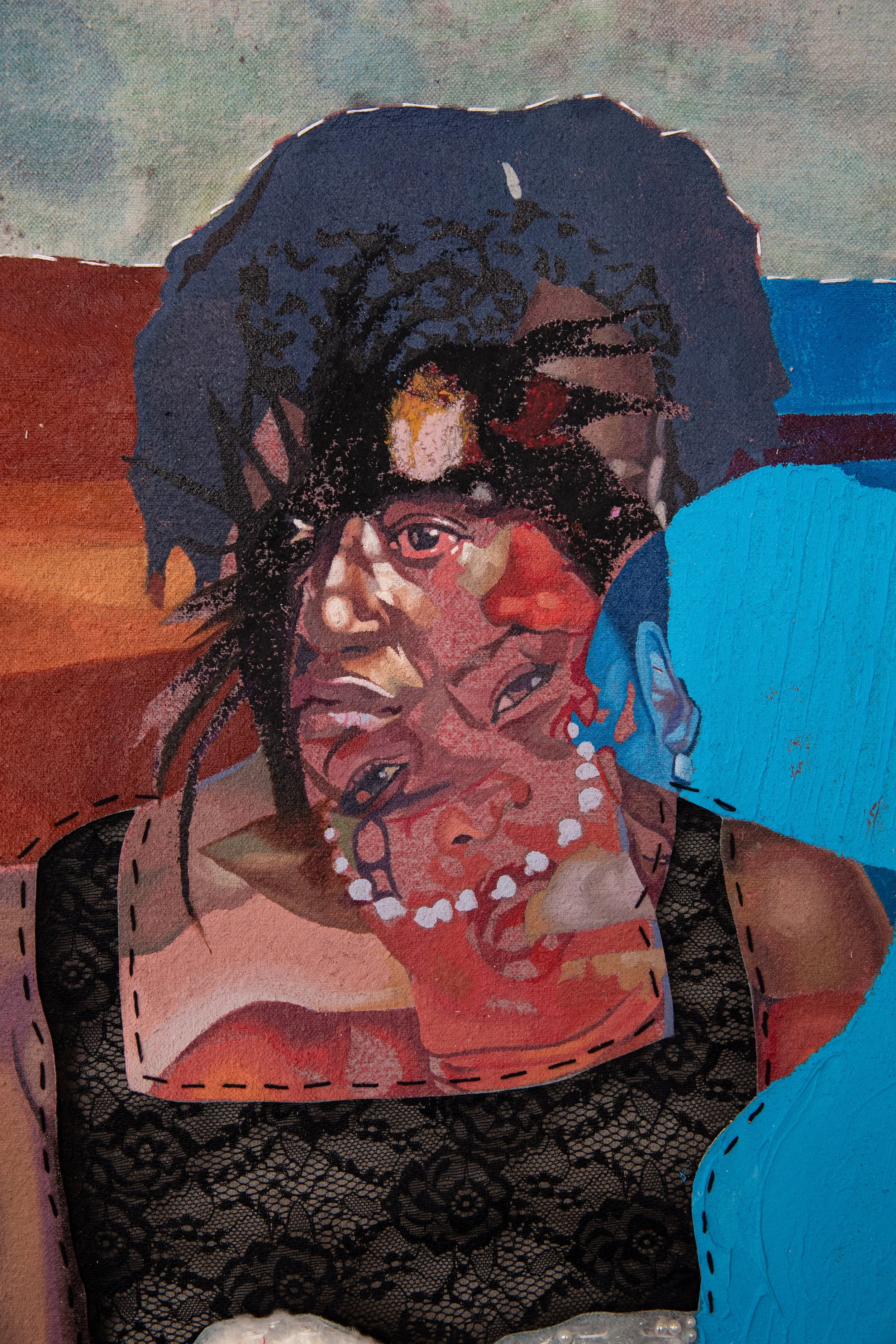
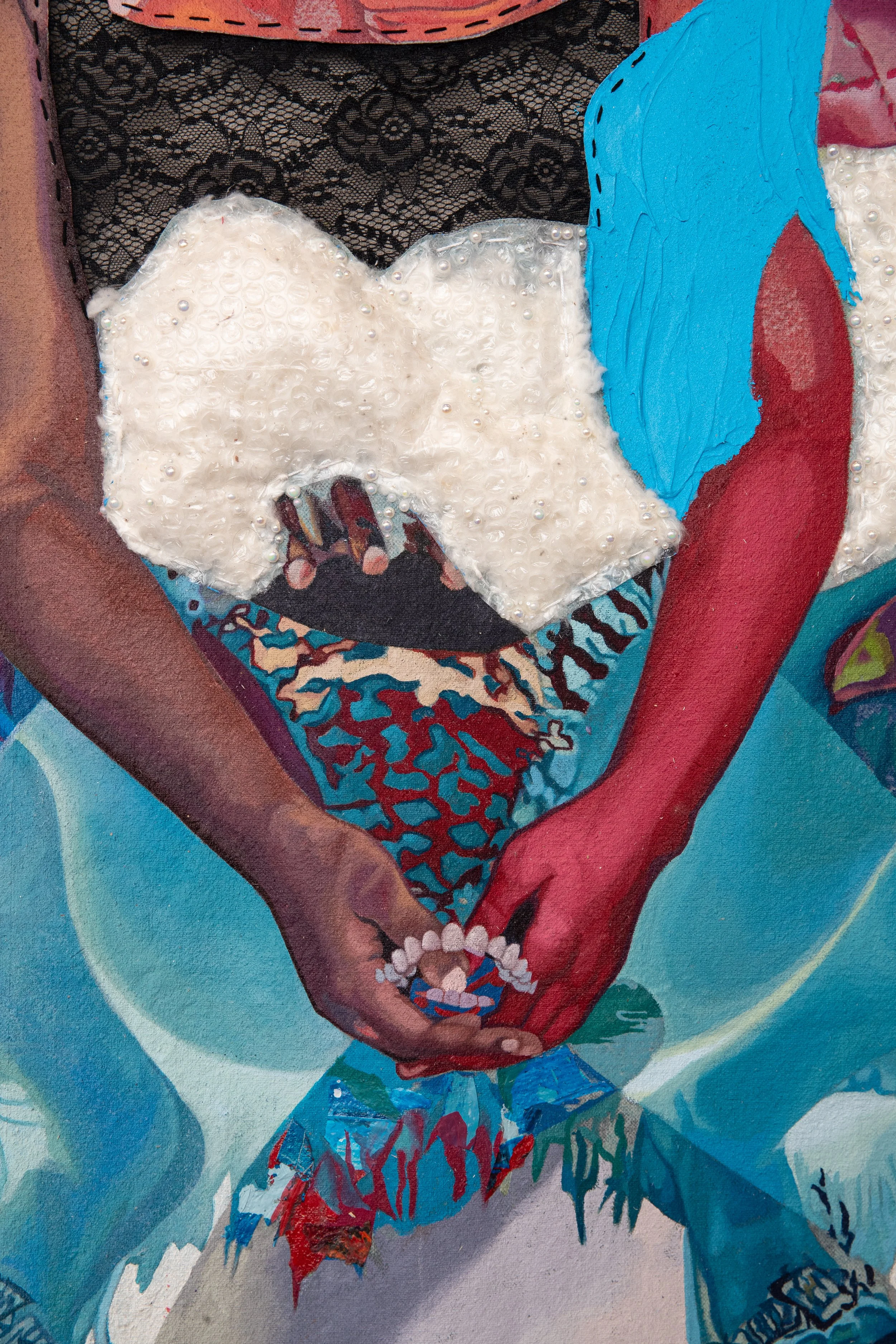
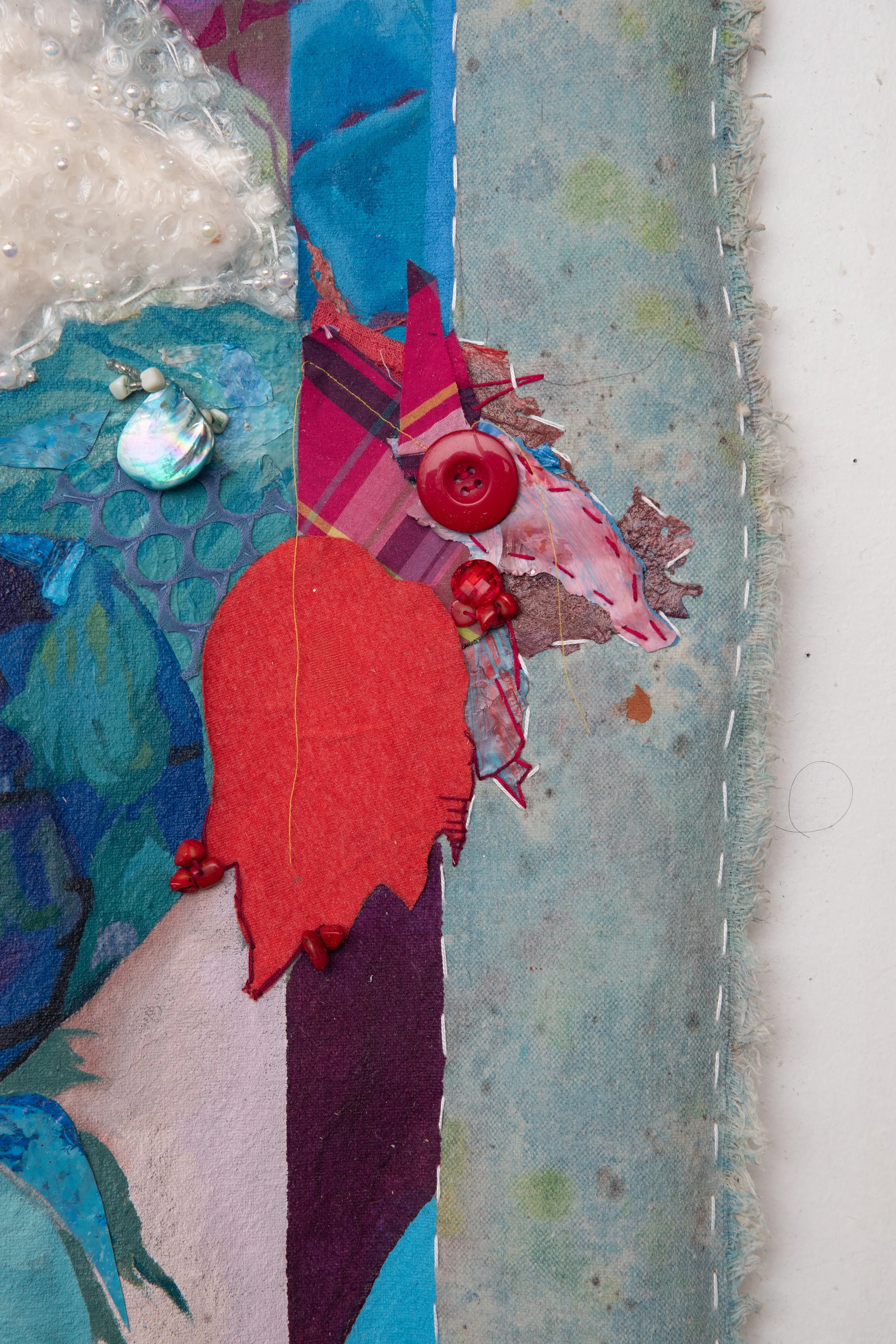
Sukie with the Teef Down Dere, oil, pastel, acrylic skins, beads, jewels, buttons, textiles, bubble wrap, cotton, pearls, lace, embroidery floss on cotton drop cloth, 2026
About
Sukie with the Teef Down Dere imagines a haunting, the figure is someone to consult with about desire, sexual violence, and the inherited knowledge Black women carry in their bodies. Drawing from the story of the enslaved woman Sukie, Black feminist hauntology, and histories of Black female sexualization, the work asks how women have learned to navigate a gaze that predates them.
The work begins with the story of Sukie, an enslaved woman who, while being inspected for sale, defiantly lifted her dress and challenged a slave trader to "look an’ see if dey could find any teef down dere." Though fleeting, her gesture transformed a moment of objectification into one of refusal, reclaiming authority over her body within a system designed to deny it.Her presence bridges the distance between slavery and the present, where the commodification of Black female sexuality continues to be negotiated through visibility, performance, and capital.
References to Lil' Kim, Trina, JT, and Sukihana extend these questions into contemporary culture, asking how Black women navigate a sexual economy they did not create but are continually asked to perform within. Rather than separating agency from exploitation, the work dwells in their entanglement, considering the unstable ways Black women refuse, negotiate, and repurpose the gaze. Ultimately, Sukie with the Teef Down Dere asks what forms of self-possession remain possible when one's body has long been imagined as belonging to someone else.
Coordinates / References
“An’ dey ‘zaminated her an’ pinched her an’ den dey opened her mouth, an’ stuck dey fingers in to see how her teeth was. Den Sukie got awful mad, and she put up her dress an’ tole de nigger trader to look an’ see if dey could find any teef down dere”
SUKIE
The work takes its title from Sukie, an enslaved woman whose story appears in the WPA slave narratives. While being inspected by a slave trader after resisting her enslaver's sexual advances, Sukie defiantly lifted her dress and challenged him to "look an’ see if dey could find any teef down dere." Her gesture transformed a moment of sexual objectification into one of refusal. Though she could not escape the violence of slavery, she briefly reclaimed authority over how her body would be seen and used. Sukie becomes the work's first act of disruption, asking what forms of agency remain possible when violence is already underway.
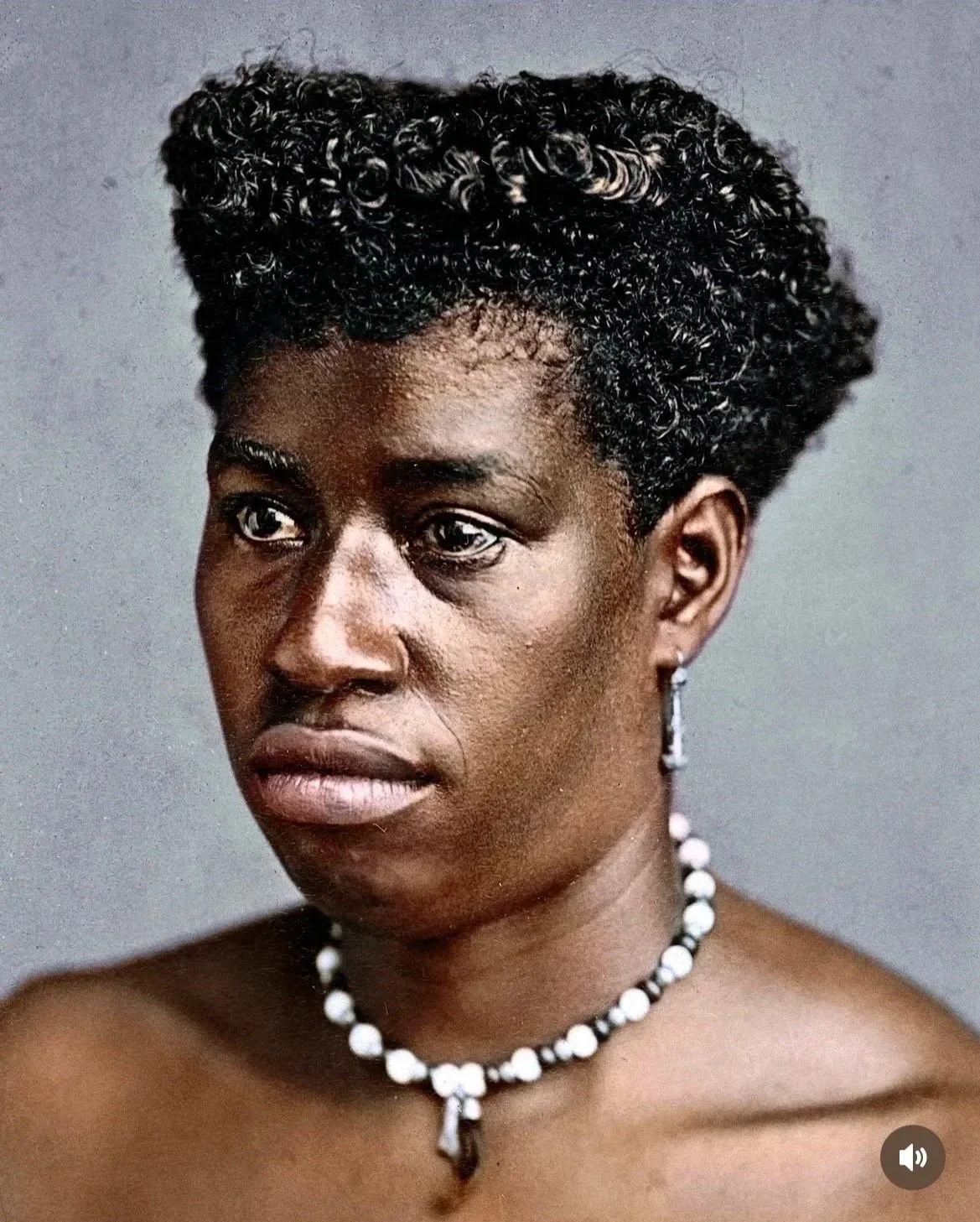
enslaved women from Brazil, shot by Alberto Henschel (1869)
SAIDIYA HARTMAN — REFUSAL & THE LIMITS OF AGENCY
Saidiya Hartman's reading of Sukie has been foundational to this work because she resists celebrating Sukie's gesture as uncomplicated empowerment. Instead, Hartman shows how acts of resistance often occur within the very systems that seek to dominate Black women; making agency partial, unstable, and difficult to recognize. I am interested in these moments where refusal emerges from within captivity, where a body marked as property momentarily interrupts the logic that seeks to possess it. Sukie's gesture is both invitation and threat, exposing how Black women's performances have historically been misread while simultaneously unsettling the gaze directed toward them.
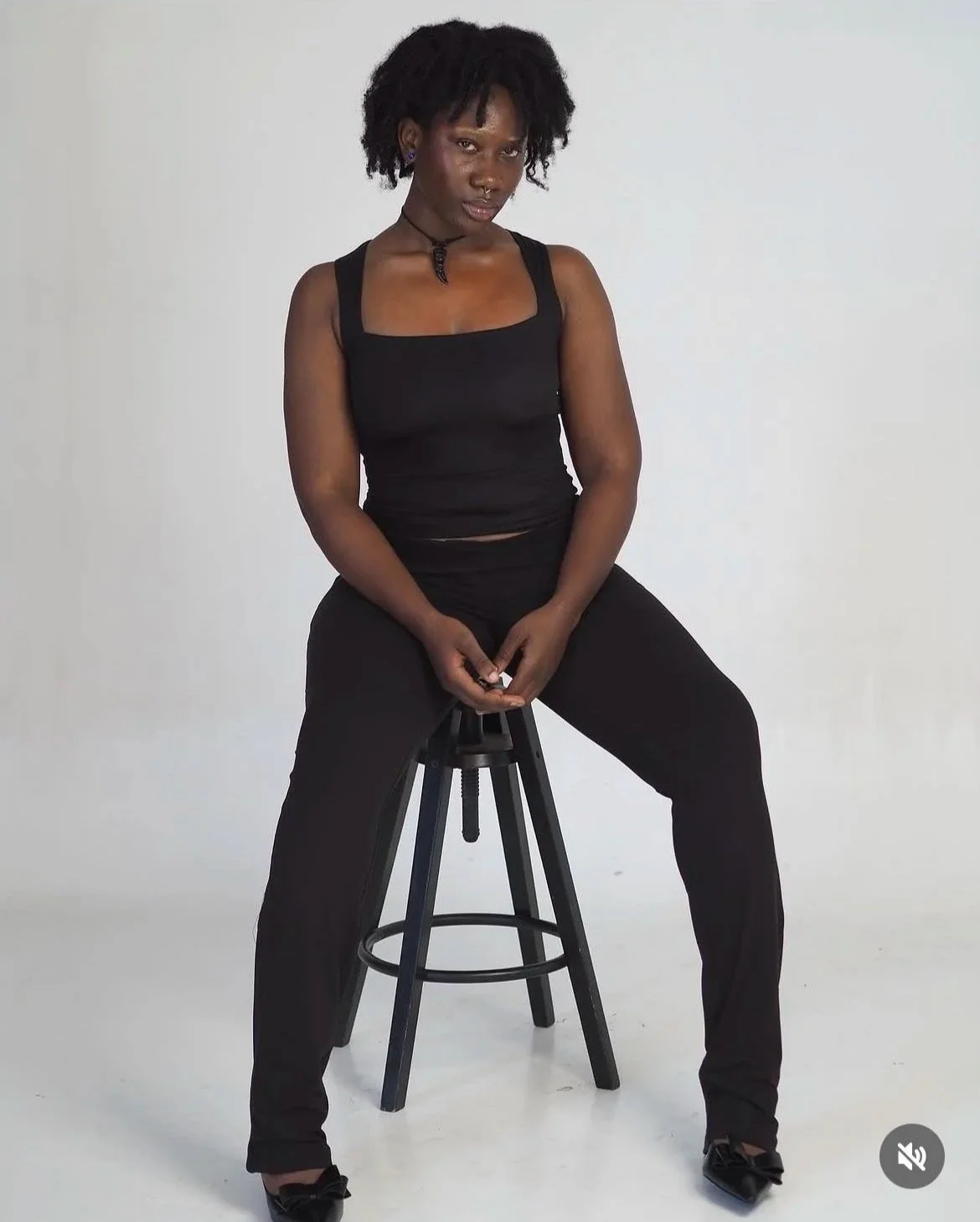
Oluchi Obinna, shot by Jasmin Bonilla
BELL HOOKS — INHERITING THE GAZE
bell hooks' writing on the sexual exploitation of enslaved girls led me to think about the inheritance of sexual violence and the silences that surround it. Black girls often inherit a sexualized gaze before they understand what it means or how it will shape their relationship to their own bodies. This coordinate became deeply personal as I reflected on my own experiences of learning that my body possessed an exchange value long before I had the language to understand desire, coercion, or consent. The work asks what might change if women spoke honestly across generations about these inheritances rather than carrying them in silence.
She’s not a ghost, she’s a haunting.
A haunting is an ongoing relationship.
The figure isn’t there to reenact Sukie’s story.
She is there because Sukie’s story has not ended.
She appears because the conditions that produced her continue to organize the present.
BLACK FEMINIST HAUNTOLOGY
The figure is not intended as a historical reconstruction of Sukie, but as a haunting. Drawing from Vivian Saleh-Hanna’s “Black Feminist Hauntology, I understand haunting as the persistence of histories that refuse containment within the past. She appears as someone to consult about desire, coercion, and sexual violence, carrying forms of knowledge the archive cannot fully preserve. Rather than asking us to remember Sukie, the work suggests that Sukie has never left.
The work imagines a gathering place where the living can enter into conversation with the unresolved histories that continues to shape Black women’s relationships to desire, sexuality, and self-possession.
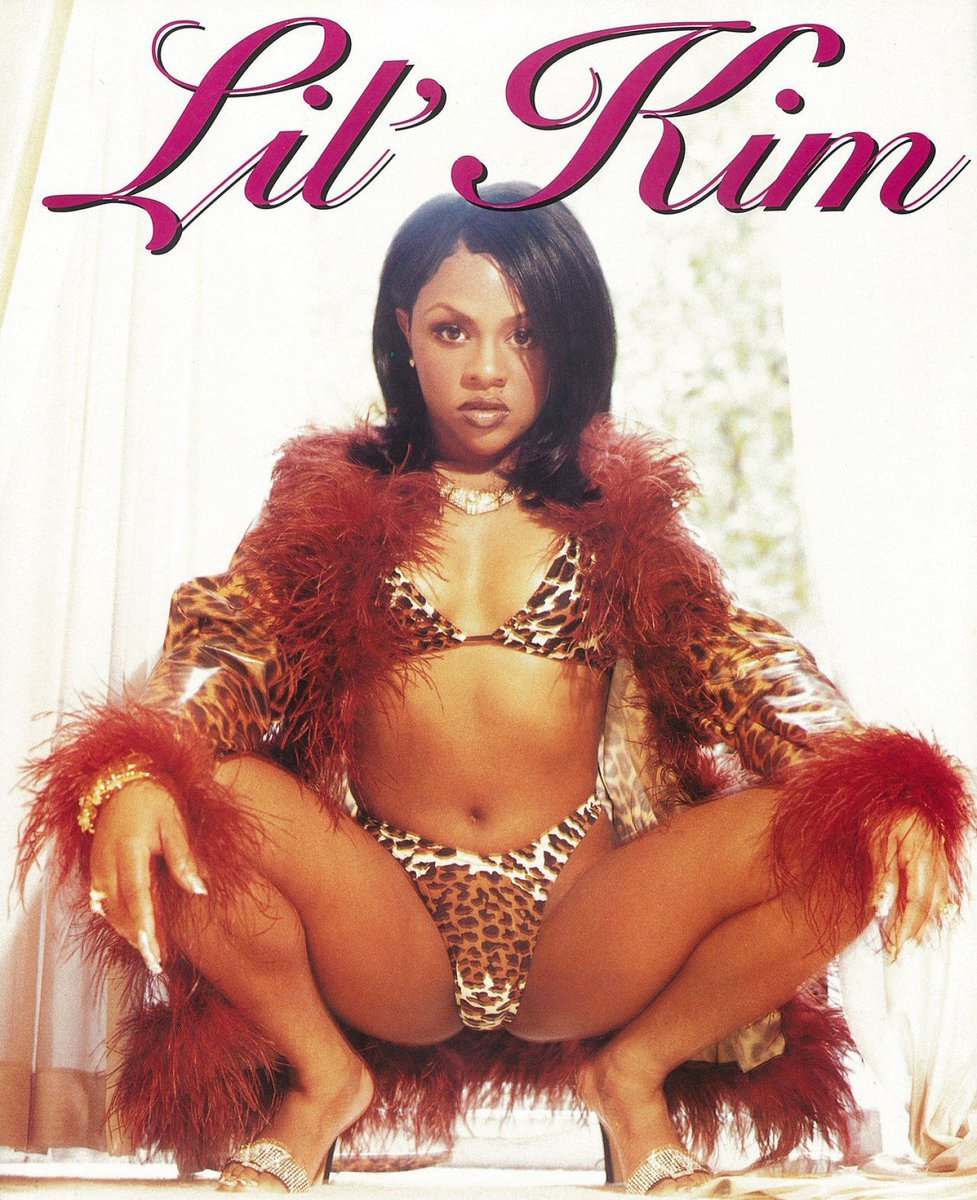
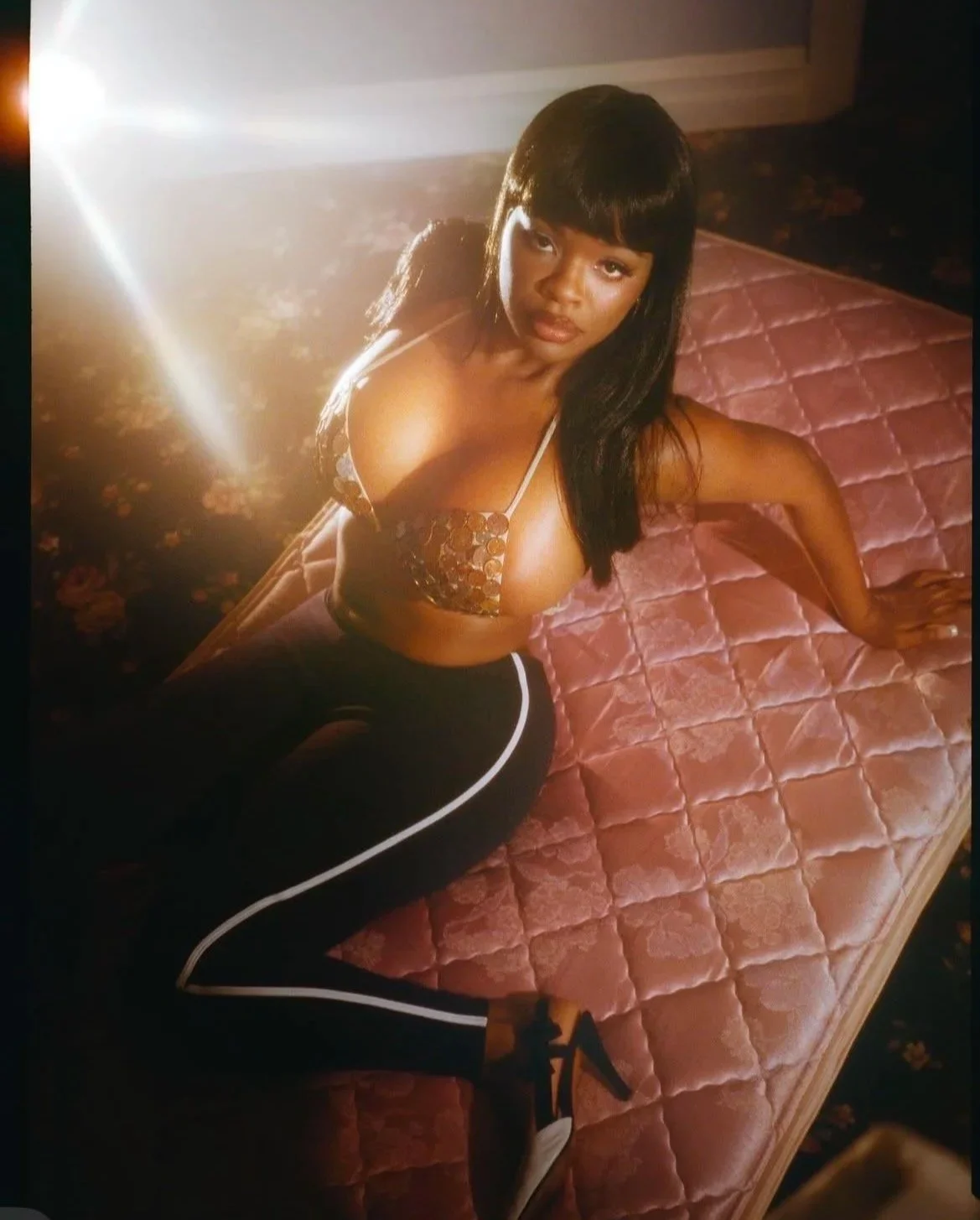
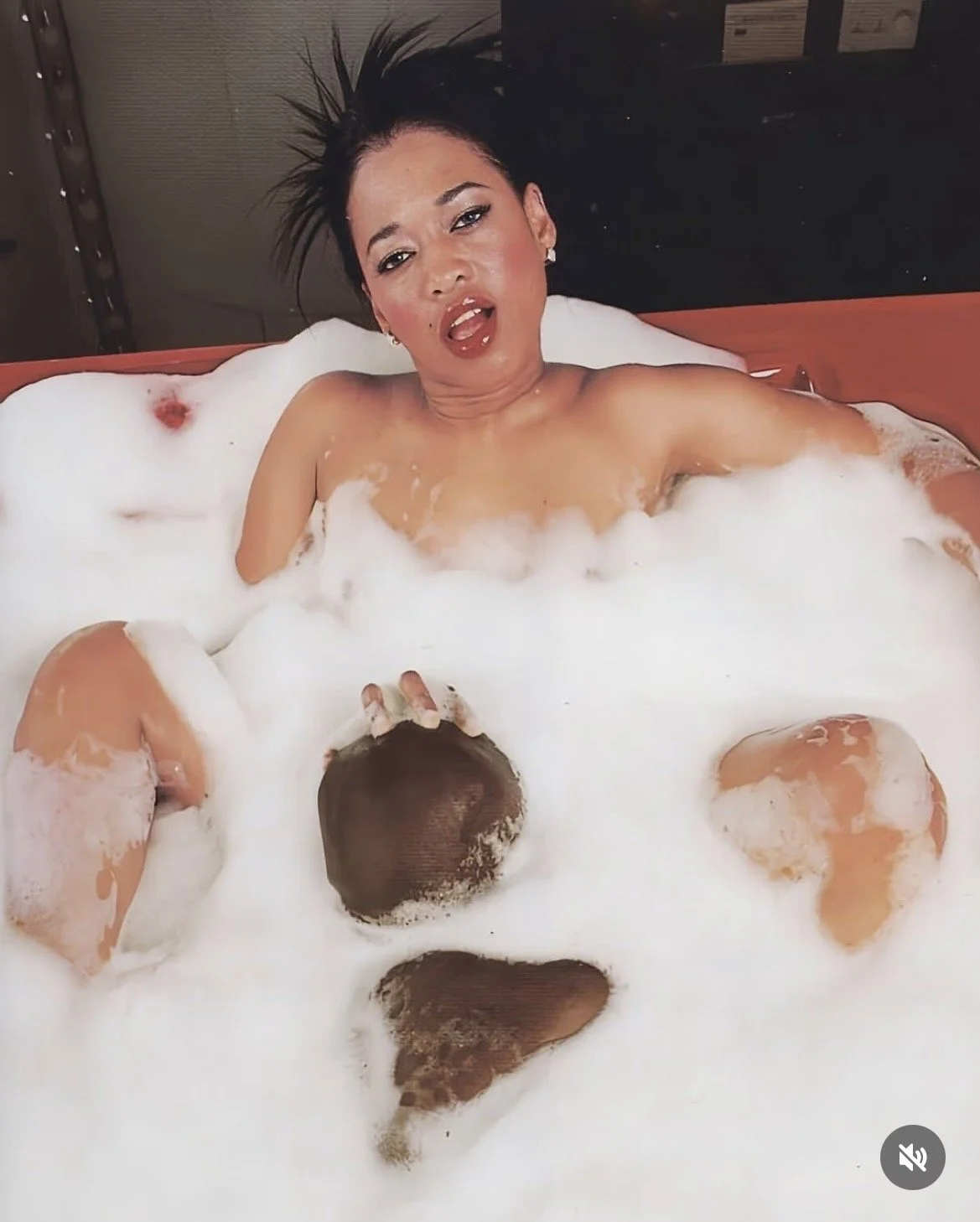
left to right: Lil’ Kim, shot by Michael Lavine; JT, shot by Petra Collins; Trina and Trick Daddy photographed for Blaze Magazine
“It just was natural. Part of it, I spent a lot of time low angle, meaning I was always kind of lying on the floor, crouching down myself. So, it's possible that one of the reasons she did it was because I was probably sitting on the floor looking up at her because that's kind of how I do.”
~photographer, Michael Lavine, on the infamous
Lil Kim “Hardcore” shoot
LIL’ KIM, TRINA, JT & SUKIHANA — PERFORMING THE GAZE
Contemporary Black women artists like Lil’ Kim, Trina, JT, and Sukihana occupy a complicated relationship to the gaze. Their performances knowingly engage a sexual economy built long before them, one rooted in the commodification of Black women’s bodies. I am less interested in asking whether these performances are empowering than in understanding how agency operates within systems that continue to reward the very stereotypes they inherit. Rather than standing outside this history, these women reveal how Black female sexuality continues to be negotiated through visibility, desirability, performance, and profit.
VULGARITY
The vulgarity of Sukie’s gesture is essential to the work. It refuses respectability in favor of something closer to the vulgarity of slavery itself, where Black women’s bodies were bought, inspected, violated, and exchanged. I am interested in how humor, profanity, and exaggeration can become forms of refusal, exposing the violence beneath the spectacle. Sukie’s gesture, much like the performances of contemporary Black women artists, asks whether vulgarity can be transformed from a tool of degradation into one of disruption.
Reading List
“Remnants of Venus”
Janell Hobson